From Cover-Up to Confidence: When It's Time to Stop Hiding Scars
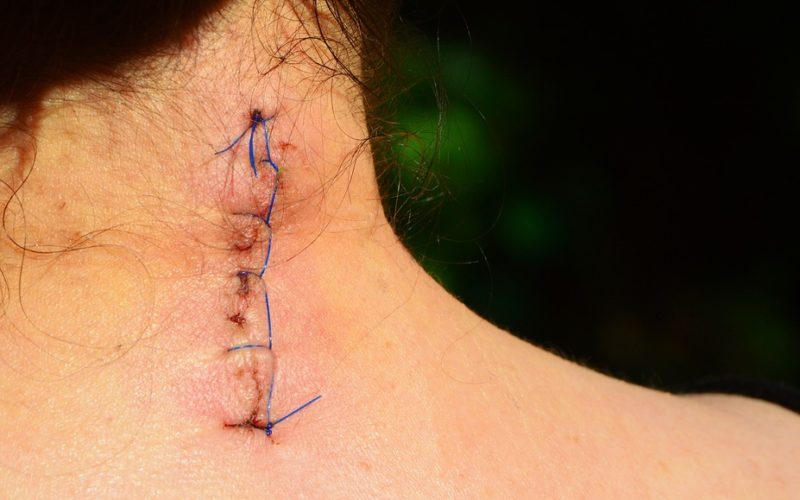
For a great many people, the morning begins with a practised ten minutes at the mirror, applying primer, colour corrector, full-coverage foundation and setting powder, performed not for glamour but for camouflage over the same acne scars, burn mark or line left by an operation or accident. The cosmetics industry deserves genuine credit here, because concealing products have carried countless people through job interviews, weddings and ordinary days with their confidence intact. Cover-up, however, is a loan rather than a cure, and the repayment falls due every single morning. For anyone growing weary of that daily effort, modern laser treatment offers something different: not a better way to hide a scar, but a way to need the hiding far less.
The quiet cost of covering up
Ask anyone who conceals a scar daily and they will describe a low hum of vigilance that outsiders never see. Swimming pools, beach holidays and gym changing rooms become logistical problems. Rain, hugs and hot days threaten the coverage; spontaneous invitations prompt a silent calculation about whether there is time to reapply. Relationships reach the odd milestone of being seen without makeup. None of this is trivial, and researchers who study visible skin differences consistently link them to lowered confidence and social anxiety — not because scars are ugly, but because managing them is exhausting. Makeup treats the appearance for a day. It cannot touch the tiredness.
What lasers can honestly offer
Laser scar treatment has moved from experimental to established over the past two decades, and its workings are less mysterious than the name suggests. Fractional resurfacing lasers deliver thousands of microscopic columns of energy into the scar, prompting the skin to replace old, rigid scar tissue with fresh collagen laid down in a more normal pattern. Over a course of sessions, raised scars flatten, pitted acne scarring shallows and softens, and red or dark marks fade towards the surrounding skin tone. Different lasers suit different problems — vascular lasers calm the redness in newer scars, while resurfacing types remodel texture in older ones — which is why a proper assessment matters more than any brand name. Honesty matters too: lasers reduce scars, sometimes remarkably, but they rarely erase them completely. The realistic goal is a mark that no longer demands concealment, glances or explanation — a scar demoted from daily preoccupation to minor detail.
Knowing when you are ready
It is worth saying plainly that there is no obligation in any of this, since plenty of people wear their scars openly and would not dream of treating them; a scar can be a badge of survival as much as a source of self-consciousness. The question is not whether a scar should be treated but whether hiding it has become a burden you would rather set down. The signs are usually clear: the makeup routine feels heavier than it used to, activities are being declined because of coverage logistics, the scar occupies mental space most days, or you simply find yourself imagining the freedom of a bare face with indifference where the anxiety used to be. Readiness is personal, and it is worth distinguishing from pressure — the soundest decisions are made for yourself, in your own time, not in response to anyone else's comments.
Taking the first step well
If the time feels right, the path is straightforward but deserves care. Choose a clinic where treatments are performed or supervised by qualified medical practitioners, ask directly about their experience with your type of scar and skin tone — pigment responds differently to laser energy, and expertise across skin types is a mark of a good clinic — and expect a consultation with a patch test before anyone offers a price. A trustworthy practitioner will talk about the number of sessions honestly, explain aftercare such as sun protection during healing, and show before-and-after photographs of cases like yours. Be wary of anywhere promising perfection or pushing a booking; confidence built on realistic expectations is the only kind that lasts.
The finest outcome of scar treatment is not flawless skin but the morning, some months from now, when you walk past the mirror and realise those ten minutes are yours again. Cover-up will have served its purpose faithfully, and it remains available for any day you choose to use it, but the difference is that it becomes a choice rather than a necessity. Confidence begins where obligation ends, and for many people tired of hiding, that point is now genuinely within reach.